The hidden toll of gambling Understanding its impact on mental health
The Psychological Effects of Gambling
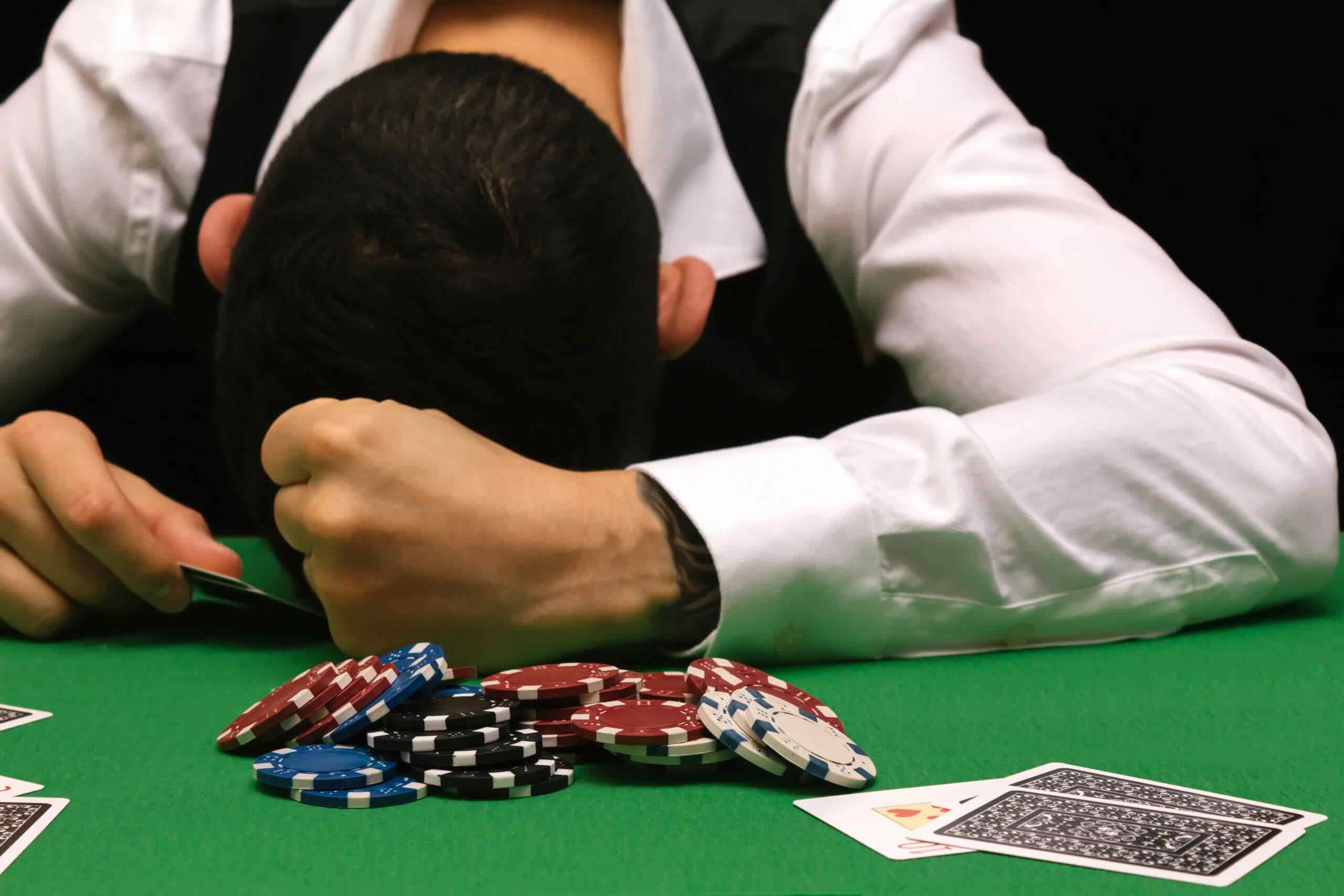
Gambling can have profound psychological effects on individuals, often leading to stress, anxiety, and depression. The thrill of betting can become addictive, as players may experience euphoric highs during wins and devastating lows when they lose. This emotional rollercoaster can take a toll on mental stability, as the individual struggles to cope with the emotional fallout of their gambling behaviors. To navigate this landscape, many find that a payid casino guide can be invaluable in identifying responsible gaming strategies.

Furthermore, the obsession with winning can lead to compulsive gambling, where individuals find it difficult to control their impulses. This lack of control can exacerbate feelings of worthlessness and despair, causing a negative spiral that affects mental health. Many gamblers may not recognize the signs of their declining mental health until it’s too late, often leading to severe psychological distress.
Social Consequences of Gambling Addiction
Gambling addiction can also strain relationships with family and friends. As individuals prioritize gambling over personal relationships, feelings of isolation and loneliness can intensify. Loved ones may feel neglected or betrayed, which can lead to conflict and emotional turmoil within the household. This social fallout contributes to a further decline in mental health, as individuals grapple with the consequences of their actions. Celebrity gamblers often complicate this dynamic, as their lifestyles can set unrealistic expectations for casual players.
The stigma surrounding gambling problems often prevents individuals from seeking help. Many may feel ashamed to admit their addiction, resulting in social withdrawal and increased feelings of anxiety and depression. The combination of social alienation and mental health struggles creates a challenging environment for recovery, making it essential to address both aspects simultaneously.
The Role of Celebrities in Gambling Culture
Celebrity gamblers can influence public perceptions of gambling, often glamorizing the lifestyle associated with high-stakes betting. This portrayal can create unrealistic expectations for everyday individuals, leading them to believe that they can achieve similar success. The excitement depicted in media can mask the hidden dangers and mental health risks associated with gambling, leading many to underestimate its potential toll.
This glamorization can be particularly harmful to impressionable individuals who view gambling as a viable escape or a shortcut to financial freedom. As celebrities endorse gambling, it reinforces the idea that large wins are not only possible but probable. This mindset can lead individuals to overlook the risks, further perpetuating a cycle of addiction and mental health deterioration.
Understanding the Symptoms of Gambling-Related Mental Health Issues
Recognizing the symptoms of gambling-related mental health issues is crucial for early intervention. Signs may include increased secrecy about gambling activities, neglecting responsibilities, or experiencing mood swings related to wins or losses. Individuals may also find themselves lying about their gambling habits or making excuses to justify their behaviors, which can compound feelings of guilt and shame.
These symptoms can escalate over time, leading to severe consequences such as financial ruin, job loss, and deteriorating health. Understanding these signs can empower individuals and their families to seek help before the situation worsens. The earlier gambling-related mental health issues are identified, the better the chances are for recovery and rebuilding a healthy lifestyle.
Resources and Support for Gambling Addiction
For those struggling with gambling addiction, resources are available to provide support and guidance. Professional help through counseling and support groups can offer a safe space for individuals to share their experiences and begin the recovery process. Many organizations focus on addressing both gambling addiction and its associated mental health challenges, providing a holistic approach to treatment.
Additionally, public awareness campaigns can help reduce the stigma surrounding gambling addiction, encouraging more individuals to seek help. By understanding the hidden toll of gambling, society can better support those affected and promote healthier attitudes towards gambling behaviors. Online resources and helplines also serve as important tools for individuals looking to regain control over their lives.