Exploring the mental traps Understanding the psychological draw of gambling
The Allure of Gambling
Gambling captivates millions, offering the promise of excitement and the potential for life-changing wins. At its core, the thrill of risking something valuable for a chance at a significant reward creates a powerful allure. This psychological draw is often exacerbated by the adrenaline rush that accompanies gambling, leading individuals to seek out these best bitcoin casinos high-stakes experiences repeatedly.
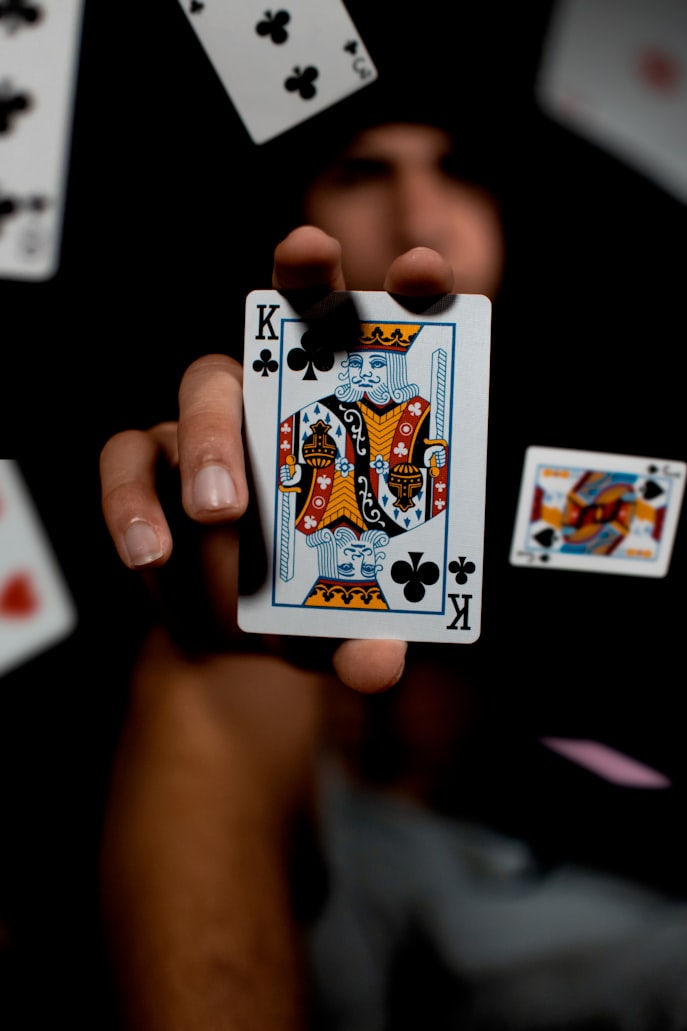
This excitement can lead to what is known as a “gambler’s high,” where the brain releases dopamine, creating feelings of pleasure and euphoria. As players chase this high, they may find themselves trapped in a cycle of increasing bets and heightened risks. Understanding this psychological response is crucial for grasping why many struggle with gambling addiction.
The Illusion of Control
One of the most compelling mental traps in gambling is the illusion of control. Gamblers often believe that their skills can influence the outcome of games, especially in situations involving strategy, such as poker or blackjack. This belief can lead players to underestimate the role of chance, reinforcing their desire to gamble despite the odds being stacked against them.
This false sense of control can be detrimental, as it encourages individuals to take greater risks. The more they believe they can predict outcomes, the more likely they are to continue betting, often leading to financial difficulties and emotional distress. Recognizing this cognitive bias is essential for those looking to break free from the cycle of gambling.
The Role of Social Influence
Gambling is often a social activity, and the influence of peers can significantly impact an individual’s decision to gamble. Social norms that glorify gambling as a form of entertainment can create an environment where individuals feel pressured to participate. The fear of missing out can drive people to engage in gambling behaviors they might otherwise avoid.
Additionally, witnessing others win can create a sense of optimism, fostering the belief that one can achieve similar success. This social aspect not only enhances the appeal of gambling but also serves to normalize it, making it harder for individuals to recognize unhealthy patterns in their own behavior.
The Impact of Winning and Losing
The psychological effects of both winning and losing in gambling cannot be understated. Winning reinforces gambling behavior, as the brain associates the act of gambling with positive outcomes. This leads to a cycle where even small wins can encourage further play, creating a reinforcement loop that’s hard to escape.
Conversely, losing can lead to a phenomenon known as “chasing losses,� where individuals continue to gamble in an attempt to recover lost money. This reaction can create a downward spiral, as the pressure to win back losses often leads to even greater financial risk. Understanding these psychological reactions can help individuals make more informed choices about their gambling habits.
Learn More about Gambling Psychology
To delve deeper into the psychological aspects of gambling, it’s essential to explore resources dedicated to understanding these complex behaviors. Many organizations offer insights and support for those struggling with gambling addiction, providing educational materials that shed light on the mental traps associated with gambling.
By increasing awareness and understanding of the psychological draw of gambling, individuals can better navigate their gambling habits. Whether seeking help or simply wanting to learn more about this fascinating topic, there are numerous avenues available for exploration and support.